(214) 437-7353

Hours:Monday - Friday | 8 AM - 6 PM
Saturday | 9 AM - 2 PM
Saturday | 9 AM - 2 PM
Licensed and Insured. Free Inspections. 10+ Years on DFW Exteriors.
Siding rarely fails on its own. When a joint opens or a board splits along the nail line, the cause is usually behind or beneath it. Acorn Roofing and Construction handles vinyl, fiber cement, and wood siding repair for Highland Park homes. Our free inspection will tell you whether you have a panel problem or a building problem.
Book your free siding inspection with Acorn Roofing and Construction today.
Get in Touch
Siding is the exterior wall’s raincoat. When it fails, water reaches the sheathing behind it, and that damage is invisible until it is expensive.
Cracked panels, open butt joints, failed caulk lines, and warped boards let wind-driven rain into the wall cavity. Left alone, this causes rotted sheathing, wet insulation that stops insulating, and eventually framing repairs that dwarf the cost of siding work.
Good siding also provides quiet thermal work. A sealed, properly lapped exterior stops air leakage that drives up cooling costs during a Texas summer. That is why we treat house wrap and flashing detail as part of the job rather than an optional extra.
Get in TouchVinyl siding is low-maintenance, cost-effective, and the most common siding we repair. It needs to hang rather than be pinned so it can expand and contract freely. Most buckled vinyl we find was nailed too tightly by whoever installed it. Correcting that is part of every vinyl repair we do.
Fiber cement is the premium choice in this market. It resists rot, insects, and fire, holds paint far longer than wood, and withstands hail better than vinyl. It is heavier and demands precise fastening and joint flashing. This is exactly where cheap installations fail.
Wood siding is still correct on period homes where the material is part of the architecture. We repair and replace lap, shiplap, and board-and-batten. We splice in matching profiles where boards have rotted and prime all six faces of a replacement board before it goes on the wall.
Hail cracks and punctures panels, and wind lifts and tears whole courses. We assess the full extent of the elevation rather than just the obvious damage because impact often loosens fasteners beyond visible breaks. This work usually runs alongside storm damage repair to the roof.
Get in Touch
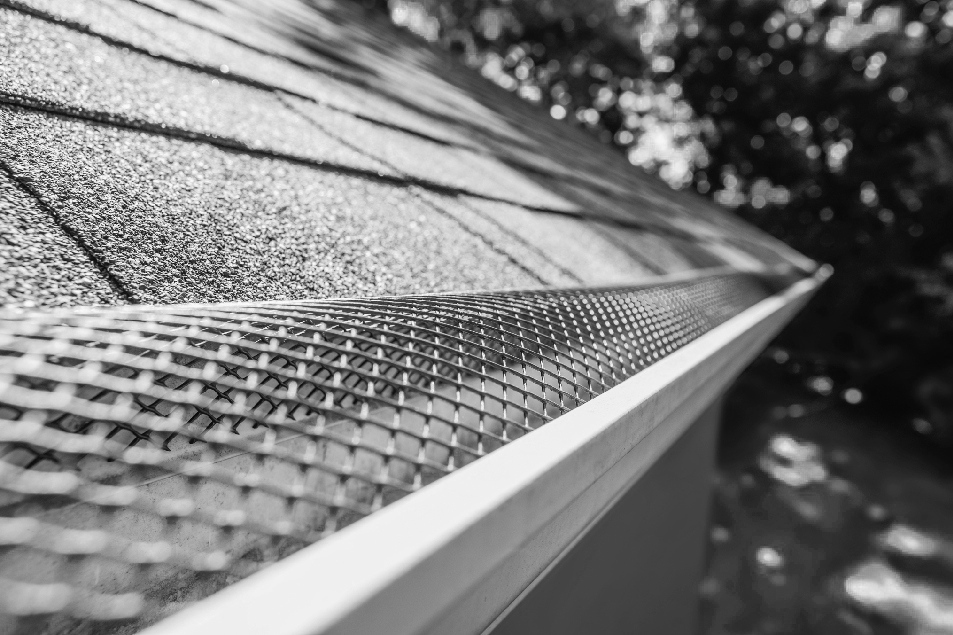
If your siding joints keep reopening after repair, the wall is still moving, and the reason sits below your foundation.
Highland Park sits on the Blackland Prairie. The Texas Water Development Board describes a clay that shrinks and swells sharply as moisture changes. Its shrink-swell potential is high enough to limit building site development. A wet spring lifts it. An August drought drops it. Your foundation follows that movement unevenly, corner to corner, year after year.
The walls above absorb it at their weakest points: butt joints pull apart, caulk beads tear, fiber cement cracks near fasteners, and vinyl nailed too tightly buckles instead of sliding. A contractor who caulks the gap and leaves has fixed nothing because next August it opens again.
We look at drainage first. Gutters discharging at the foundation, beds holding water against the slab, and downspouts that stop short: we can see and fix these. They make the difference between a siding repair that holds and one that reopens.
Get in TouchKnowledgeable, Honest, Reliable
“I called Acorn Roofing and Construction, and Jack was out within 30 minutes of my initial call! … Knowledgeable, honest, and reliable!”
Speed matters more on siding than people expect. Every rainstorm between the damage and repair makes the job bigger. Read Jessie’s full Google review.
Highly Recommended Company
“After climbing and inspecting our whole roof and attic, he gave me possible reasons for the leak with photos but didn’t straight away want to replace portions of the shingles with cracks. He just sealed them FREE of charge and asked me to monitor during rain. … Highly recommended for anyone afraid of getting ripped off.”
Many contractors will quote a full elevation of new siding when four boards and a corrected downspout would solve it. We will tell you which one you are facing. Read Arman’s full Google review.
Get in Touch
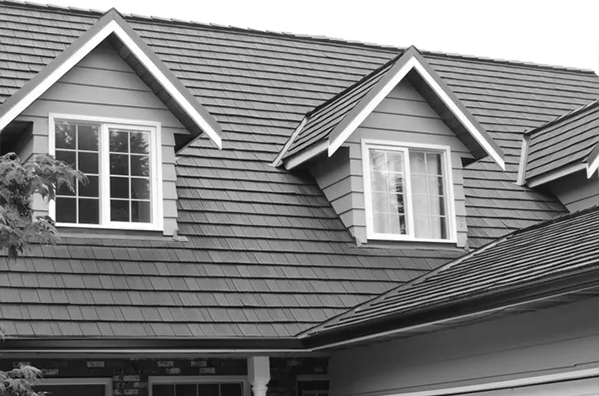
Cracked boards, open joints, buckled vinyl, or storm-torn panels: whatever your exterior is doing, the inspection is free and includes photographs you keep. We will tell you whether you are looking at a repair, a replacement, or a drainage problem wearing a siding costume.
We cover Highland Park as part of our service area, and we can inspect the roof while we are there.
Get your free Highland Park siding estimate.
Why do my siding joints keep opening after they have been repaired?
Repeatedly opening siding joints can indicate the problem is not just the caulk or siding. Highland Park homes face North Texas heat, temperature swings, seasonal moisture changes, and expansive clay soils that swell when wet and shrink when dry. Structural movement can cause siding joints and trim connections to separate again after a surface repair. Before resealing the joint, we inspect gutters, downspouts, grading, drainage, and the siding installation. Correcting moisture or movement issues can help prevent another repair from failing prematurely.
Can you repair one damaged section of siding, or does the entire wall need to be replaced?
A localized repair is often possible when the underlying wall and surrounding siding are in good condition. This suits Highland Park homes with isolated hail damage, impact damage, rot, or a few deteriorated panels. The bigger challenge is matching the existing siding. Older panels may have faded, weathered, or been discontinued, making a new replacement noticeably different. We evaluate the material, profile, color, and condition to determine whether individual panel replacement, sourcing matching material, or a larger section replacement will produce the best appearance.
Which siding material is best for a home in Highland Park, TX?
No single material is best for every Highland Park property because the right choice depends on the home’s architecture, exposure, maintenance expectations, and budget. Fiber cement is popular because it resists rot and insects and performs well in Texas’s demanding weather when properly installed and maintained. Vinyl offers lower upfront cost and low maintenance, while wood preserves the character of traditional or architecturally distinctive homes but requires more maintenance. We help homeowners compare durability, appearance, maintenance, and installation before selecting a material.
Will homeowners insurance cover hail or wind-damaged siding in Highland Park?
Insurance may cover siding damage from a covered event such as a qualifying hail or windstorm. Coverage depends on the policy, deductible, age and condition of the siding, and evidence supporting the claim. Highland Park homes can face severe North Texas storms where hail damages siding, trim, gutters, and roofing in the same event. We document visible siding damage with photographs and identify affected areas to provide a clearer record for your insurance claim. We recommend addressing storm damage promptly because exposure to the elements can worsen damage.
Do I need a permit to repair or replace the exterior siding on my home in Highland Park?
Permit requirements depend on the scope of the siding project and the property. Highland Park is an incorporated municipality with its own permitting and building rules, so homeowners should not apply City of Dallas requirements to a Highland Park address. Minor repairs may be treated differently from substantial siding replacement or exterior remodeling. Before a larger installation, we verify local requirements to ensure the work complies with Highland Park regulations.