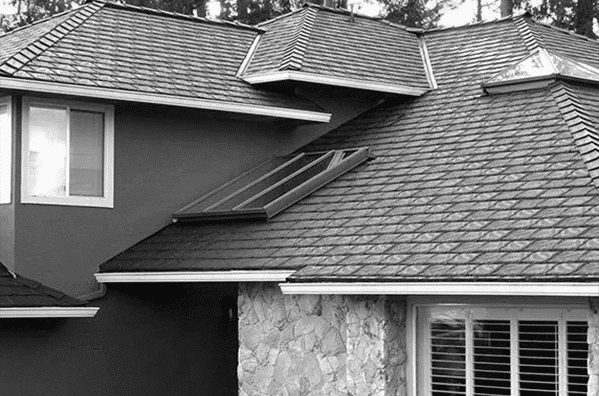

Fort Worth sits in one of the most hail-prone regions in the country, and your roof takes the first hit when severe weather rolls through. That is why storm hail damage is not just an inconvenience; it can become a costly chain reaction if small impacts turn into leaks, insulation problems, and interior repairs. The good news is that a few proactive steps, plus the right post-storm checklist, can reduce hail storm roof damage and help you avoid avoidable repair costs.
Smart Ways to Protect Your Home from Storm Hail Damage
North Texas storms can be unpredictable, and hail often arrives with strong winds and heavy rain. Data from NOAA and the Insurance Information Institute show how common hail and wind events are in Texas, and why they drive major homeowner claims statewide. Because your roof absorbs most of that impact, protection starts with the roof system, not just the shingles.
Schedule routine roof inspections before storm season
A professional inspection before peak storm months helps identify weak points that hail can exploit. Contractors look for issues that are easy to miss from the ground, including brittle shingles, lifted edges, loose flashing, failing sealants around penetrations, and ventilation problems that can weaken roof materials over time. A documented inspection can also create a clean baseline for insurance if a storm hits later.
Upgrade to impact-resistant roofing materials
If your roof is aging or has been hit more than once, impact-resistant materials can reduce future damage. Many hail-resistant products carry a Class 4 impact rating under UL 2218, which is commonly referenced as the highest impact resistance rating for shingles. Options that many Texas homeowners consider include impact-resistant asphalt shingles, metal roofing systems, and composite materials engineered for severe weather. These upgrades can reduce hail storm roof damage, extend roof life, and lower long-term maintenance.
Maintain gutters, flashing, and drainage
Hail damage is often made worse by water. Clogged gutters and downspouts can cause overflow that reaches fascia, soffits, and vulnerable roof edges. Flashing around vents, chimneys, and skylights is another common failure point after storms. A simple seasonal routine makes a difference:
- Clear debris from gutters and valleys
- Confirm downspouts discharge away from the foundation
- Look for loose brackets, rust, and separated seams
- Check that flashing looks secure and sealed
Trim trees and secure exterior components
Wind-driven debris can do as much damage as hail. Trim branches back at least 6 to 10 feet from the roofline and remove dead limbs before storm season. Also, secure roof-mounted items like vents and satellite mounts so they do not become impact hazards during high winds.
Why Hail Storm Roof Damage Should Be Fixed Quickly
Delaying repairs can turn minor impacts into major problems. Damaged shingles can lose their waterproofing and UV protection, which increases the chance of leaks and accelerated wear. Texas storms often arrive in clusters, so a weakened roof is more vulnerable to the next event. Waiting can also complicate insurance outcomes if damage worsens due to a lack of timely maintenance.
Why Post-Storm Professional Inspection Is Crucial
Hail damage is not always obvious. Trained roof inspectors can identify hidden fractures, flashing failures, and compromised vents that may not leak right away but can fail later. A professional inspection also supports proper insurance documentation and helps ensure repairs align with Fort Worth requirements.
Weather the Next Storm: Expert Hail Damage Roof Repair in Fort Worth
Acorn Roofing and Construction supports Fort Worth homeowners with storm inspections, hail storm damage repair, full replacements, and impact-resistant upgrades. If you want to explore roofing solutions, start here.
If you need help after a storm, schedule online for an appointment.
FAQs
What are the most common signs of hail storm roof damage on a Fort Worth home?
Granules in gutters, bruised or cracked shingles, dented vents, damaged flashing, and new leaks or stains are common signs.
How quickly should hail storm damage repair be completed after a storm?
As soon as possible. Quick repairs reduce leak risk and prevent additional damage if another storm hits.
Can hail storm damage cause hidden roof leaks?
Yes. Small fractures and flashing damage can allow water intrusion later, even if the roof looks fine from the ground.
Will homeowners’ insurance cover hailstorm roof damage repair in Texas?
Coverage varies by policy, deductible, and documentation requirements, so prompt inspection and good records matter.
Are impact-resistant shingles worth installing in hail-prone areas like North Texas?
For many homeowners, yes. They can reduce future damage risk and may support insurance-related savings depending on the provider.